Driving under the influence remains a significant global concern, with law enforcement relying on tools like the Field Sobriety Test to assess impairment. However, the test’s effectiveness is debated, as it can be influenced by factors beyond alcohol’s impact. This article delves into the science and limitations of the Field Sobriety Test, offering insights into its reliability and validity. We explore alternative methods, best practices for administration, and the role of training in minimizing biases. By understanding these nuances, we can enhance traffic safety and ensure fair enforcement.
Understanding Field Sobriety Test Protocols
The Field Sobriety Test (FST) is a critical component in DUI (Driving Under the Influence) investigations. Understanding the protocols behind these tests is essential for anyone in California, where they are mandated in many cases. The FST, typically administered by law enforcement officers, involves a series of physical and mental exercises designed to assess a driver’s coordination, balance, and mental alertness. Knowing what to expect and how to prepare can significantly impact the outcome of these tests.
The most common FSTs include the One-Leg Stand and the Walk and Turn. During the One-Leg Stand, the participant must maintain balance on one leg for a period of 30 seconds. In the Walk and Turn, the individual walks heel-to-toe in a straight line, returning to the starting point. These tests evaluate several factors, such as the ability to maintain balance, count, and follow instructions, which can be affected by alcohol consumption. However, it’s crucial to understand that even a sober individual might struggle with these tests due to various external factors, such as fatigue, illness, or certain medications. For instance, research indicates that up to 25% of sober drivers might fail a basic balance test like the One-Leg Stand.
While many wonder, Can I legally refuse a field sobriety test in California?, it’s important to note that refusing to take these tests can lead to penalties, including license suspension. However, the test’s accuracy and reliability have been subjects of debate. The Walk and Turn, for example, has been criticized for its high failure rate, even among those who are not under the influence. This has prompted discussions about the need for alternative testing methods. In Los Angeles, where the cost of FSTs can vary, it’s essential to choose a reputable provider. The 3-hour rule in California, which mandates that blood alcohol content (BAC) be below 0.08% within three hours of driving, further complicates the matter. Thus, while the FST is a crucial tool, it should be administered and interpreted with care, taking into account individual factors and potential alternatives.
How to Conduct a Comprehensive Field Sobriety Evaluation
Conducting a comprehensive field sobriety evaluation requires a structured approach and a deep understanding of the test’s components. The Field Sobriety Test (FST) is a critical tool in DUI investigations, designed to assess an individual’s impairment. It typically consists of a series of physical and mental exercises, such as the walk-and-turn test and the one-leg stand.
To ensure the accuracy and validity of the test, several key factors must be considered. For instance, the test should be conducted in a standardized manner, with the officer following specific protocols. The environment plays a significant role; for example, Los Angeles local factors, such as temperature and road conditions, can affect performance. Additionally, the time of day and an individual’s physical condition can also impact results. It’s essential to note that even if a person passes the initial FST, they can still be arrested if an officer observes other signs of impairment or if there’s reasonable cause to believe they’re under the influence.
The duration of alcohol’s effect varies significantly. While it’s widely accepted that one drink every two hours generally has minimal impact on driving ability, factors like body weight, gender, and metabolism can significantly alter this timeline. For instance, research indicates that individuals with higher body mass indices may metabolize alcohol more slowly. Moreover, the ‘3-hour rule’ in California, which assumes that blood alcohol concentration (BAC) levels remain constant after the last drink, is not foolproof. A person’s BAC can fluctuate, and external factors can still contribute to impairment. Therefore, it’s crucial to consider not just how much an individual has drank but also when they did so.
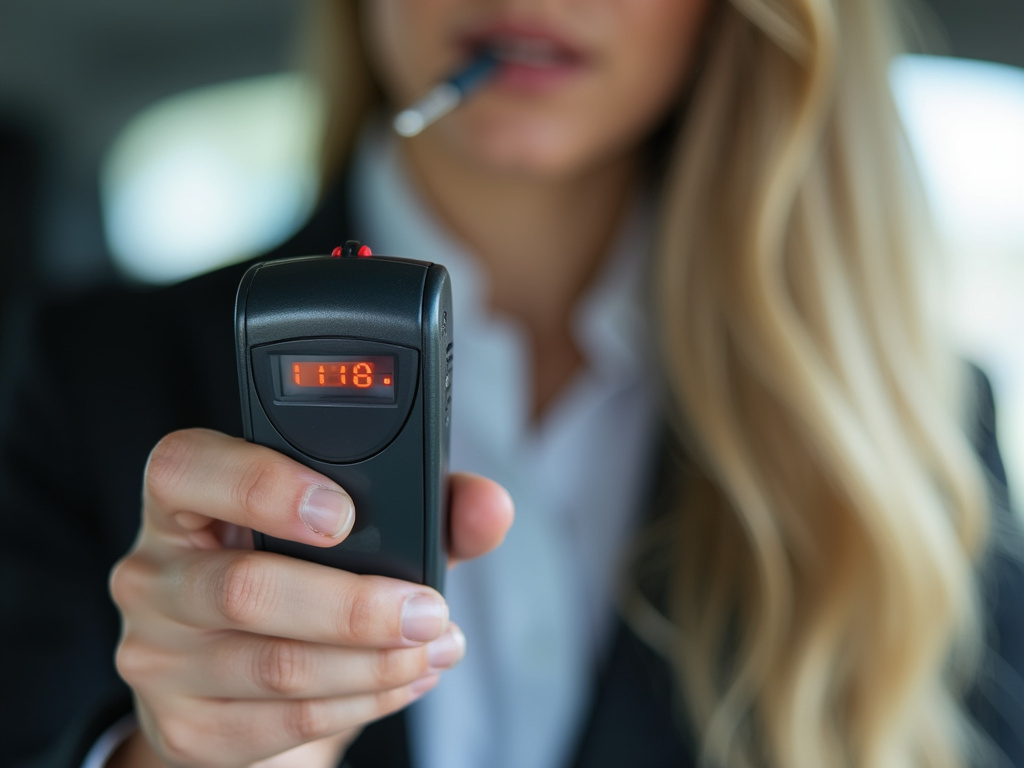
The cost of FSTs in Los Angeles varies, with professional providers offering comprehensive evaluations for competitive rates. Choosing a reliable provider involves verifying their credentials and expertise. Alternatives to FSTs exist, such as breathalyzer tests, which are less invasive and can provide quicker results. However, these tests may not capture all aspects of impairment, and their validity can be challenged in court. Ultimately, the decision to undergo an FST should be based on legal advice, considering the potential consequences and the specific circumstances of each case.
| Factor | What to know |
|---|---|
| One-Leg Stand test | Balance on one leg for 30 seconds |
| Walk and Turn test | Walk heel-to-toe in a straight line, then return |
| Sober failure rate | Up to 25% of sober drivers fail One-Leg Stand |
| Refusing the test | Can lead to penalties, including license suspension |
| 3-hour rule | BAC must be below 0.08% within three hours of driving |
| External influencing factors | Fatigue, illness, medications, temperature can affect performance |
Interpreting Results: Analyzing Field Sobriety Test Data
Interpreting results from a Field Sobriety Test (FST) is crucial for understanding the legal implications of your actions following a DUI stop in California. FSTs are designed to assess a driver’s ability and focus, aiming to detect impairment based on specific performance criteria. One key question many ask is, "How long after 1 drink can I drive?" Unfortunately, there’s no one-size-fits-all answer as it varies by individual tolerance and metabolization rates.
The walk-and-turn (WAT) test, a common component of FSTs, involves walking in a straight line, turning, and repeating the process. A study by the National Highway Traffic Safety Administration (NHTSA) revealed that participants with BAC levels above 0.12% failed the WAT test at a significantly higher rate compared to those below the legal limit. This highlights the importance of accurate interpretation. FSTs assess balance, coordination, and mental alertness—factors that can be impaired even if your blood alcohol content (BAC) is slightly above the legal limit. For instance, in Los Angeles, where factors like traffic congestion and diverse driving conditions exist, a 0.05% BAC could still indicate impairment for some individuals.
California law mandates FSTs as part of standard DUI procedures. Refusing to undergo one can lead to penalties, including license suspension. However, it’s important to note that not all FST outcomes are definitive. Factors like practice, physical fitness, and even local environmental conditions can influence performance. For instance, heat or cold extremes in Los Angeles may impact reaction times. Thus, while FSTs are valuable tools, they should be considered alongside other evidence. Alternatives include blood tests, which provide more precise BAC readings but require a warrant or consent. Ultimately, the goal is to ensure road safety, and understanding both the nuances of FSTs and individual legal rights is essential for all involved.

Field Sobriety Test in Los Angeles: Where to Start
Looking for field sobriety test in Los Angeles, CA? Los Angeles DUI Attorney serves the local area and can answer questions specific to Los Angeles.