
At a glanceA Field Sobriety Test is a series of physical tests used by police to determine if a person is driving under the influence of alcohol or drugs. These tests assess balance, coordination, and mental alertness, looking for signs of impairment, such as poor performance on tasks like walking in a straight line or identifying fingers on command.
Key Takeaways
- Field sobriety tests are crucial tools for law enforcement to assess potential impairment, but their accuracy varies significantly.
- While traditional tests like the walk-and-turn and one-leg stand are common, newer, more scientific methods show promise in enhancing detection rates.
- Impairment can be subtle, and officers must consider environmental factors and individual variations that might influence test performance.
- Training and standardization of these tests among officers are essential to ensure consistent and reliable results.
- Combining field sobriety tests with passive alcohol sensors can provide a more comprehensive picture of a driver’s intoxication level.
- Continuous research and development in this area are vital for refining these tests to keep pace with evolving methods of alcohol consumption detection.
In the pursuit of ensuring public safety on our roads, the Field Sobriety Test (FST) stands as a cornerstone of traffic law enforcement. These standardized tests, designed to gauge an individual’s impairment, play a pivotal role in determining driving fitness. However, the FST is not without its challenges—subjectivity, environmental factors, and procedural errors can cloud their reliability. This article delves into the intricacies of Field Sobriety Tests, examining current methodologies, identifying potential pitfalls, and proposing innovative solutions to enhance their validity and accuracy. By exploring these aspects, we aim to provide a comprehensive guide for law enforcement professionals and contribute to a safer driving environment.
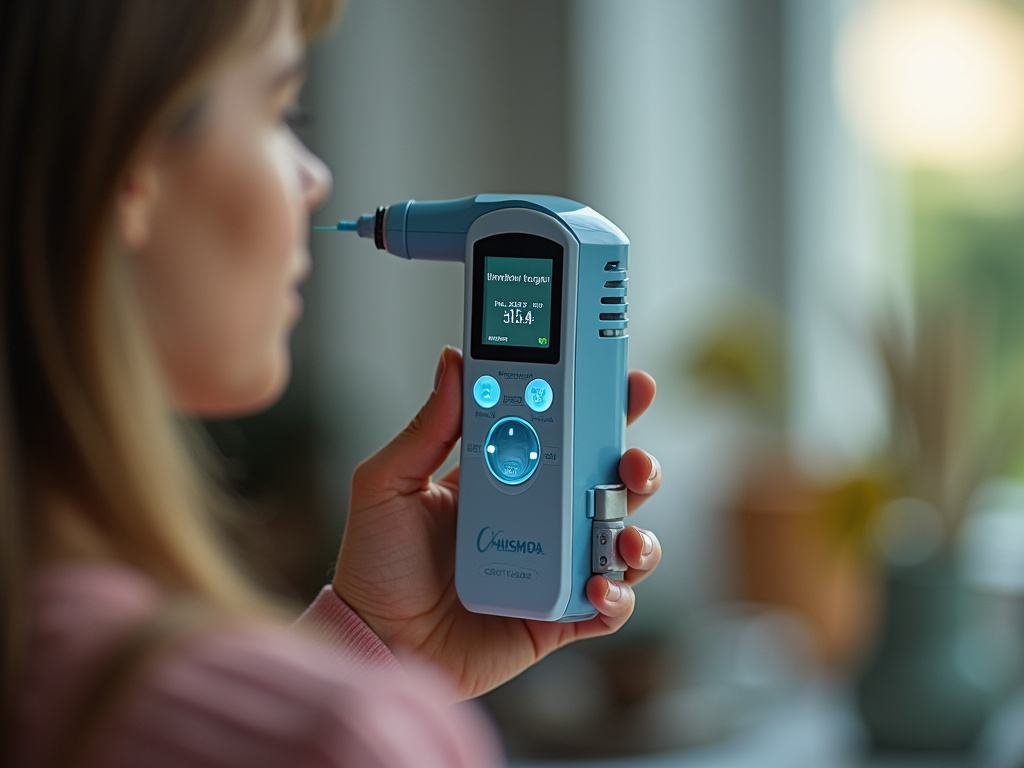
Field Sobriety Test in Los Angeles: Where to Start
Looking for field sobriety test in Los Angeles, CA? California DUI penalties explained serves the local area and can answer questions specific to Los Angeles.
Understanding Field Sobriety Test Protocols
The Field Sobriety Test (FST) is a crucial component of DUI (Driving Under the Influence) investigations in California. Understanding the protocols and nuances of this test is essential for both law enforcement and individuals facing potential DUI charges. The FST is designed to assess a driver’s cognitive and physical abilities, aiding in determining impairment levels. However, the test’s effectiveness and potential for error have sparked debates.
In California, officers typically administer three standard FSTs: the Horizontal Gaze Neck (HGN), Walk and Turn (WAT), and One-Leg Stand (OLS). How long after one drink can you drive? It’s important to note that even a small amount of alcohol can impair judgment and reflexes. In Los Angeles, where traffic is dense and diverse, understanding these tests is vital. The process involves observing the driver’s performance in each task, looking for signs of impairment. For instance, in the HGN test, the officer will ask the driver to follow a moving object with their eyes, assessing any irregular movements.
Choosing a reputable Field Sobriety Test provider is crucial in Los Angeles. You want an expert with extensive experience and training to ensure the test’s integrity. However, there are potential pitfalls to avoid. For example, officers must be properly trained to minimize bias. Inaccurate interpretations can lead to wrongful charges. Furthermore, individuals have the right to refuse these tests, but refusal may have legal consequences. It’s a delicate balance between protecting one’s rights and ensuring public safety. Alternatives to FSTs exist, such as breath tests, which are more objective but still require proper administration. Ultimately, the FST’s worth lies in its ability to provide evidence in court, but it’s crucial to approach it with a critical eye, ensuring fairness and accuracy.

| Factor | What to know |
|---|---|
| Standard tests used | Horizontal Gaze Nystagmus, Walk and Turn, and One-Leg Stand |
| Test purpose | Assess balance, coordination, and mental alertness for impairment signs |
| Right to refuse | Drivers can refuse FSTs, but refusal may bring legal consequences |
| Officer training importance | Proper training needed to minimize bias and inaccurate interpretations |
| Influencing factors | Age, health conditions, or medications can affect test results |
| Alternative tests | Breathalyzer, blood tests, and urinalysis offer other assessment options |
Administration & Common Field Sobriety Tests
The administration of Field Sobriety Tests (FSTs) plays a crucial role in determining an individual’s sobriety during law enforcement interactions. These tests are designed to assess a driver’s coordination, balance, and mental state, often as part of a DUI (Drunk Driving Under the Influence) investigation. Common FSTs include the horizontal gaze nystagmus (HGN), walk-and-turn, and one-leg stand tests. Each test evaluates specific criteria related to impairment, such as eye movement, balance, and adherence to instructions.
In California, understanding your rights regarding FSTs is essential. While you are not required to perform these tests, refusing them may lead to adverse consequences, including penalties or additional charges. If you choose to take the test, ensure it’s administered correctly; an improperly conducted FST can weaken the prosecution’s case in court. When selecting a Field Sobriety Test provider in Los Angeles, consider professionals certified by the California Highway Patrol (CHP) or other reputable agencies. This guarantees expertise and adherence to standardized protocols.
The Field Sobriety Test process involves several steps: initial observation, administration of tests, and scoring based on set criteria. During this process, officers look for signs of impairment like slurred speech, odor of alcohol, and irregular balance. However, these tests are not infallible, and false positives can occur. It’s important to recognize that factors like age, health conditions, or certain medications can impact test results. Therefore, while FSTs are valuable tools, they should be considered alongside other evidence for a comprehensive assessment of impairment. Alternatives to FSTs include breathalyzer tests, blood tests, and urinalysis, each with its own advantages and limitations. Ultimately, the goal is to determine sobriety accurately, ensuring justice and fairness in legal proceedings.
Interpreting Results: Legal Implications Explained
Interpreting Field Sobriety Test Results: Navigating Legal Implications in California
The outcome of a Field Sobriety Test (FST) can significantly impact your case if you’ve been arrested for DUI in California. It’s crucial to understand that these tests are designed to assess impairment, but the results carry substantial legal weight. The FST typically includes a series of physical and mental exercises, such as balancing, following commands, and identifying objects, which law enforcement officers use to gauge whether an individual is capable of safely operating a vehicle. However, interpreting the test’s outcomes accurately is essential, given that mistakes or miscommunications can lead to adverse legal consequences.
In California, you have the right to refuse certain types of FSTs, but there are significant penalties for doing so. Refusal may result in license suspension and could strengthen the prosecution’s case at trial. It’s also crucial to select a qualified and reputable Field Sobriety Test provider in Los Angeles to ensure fair administration of the test. This includes understanding what constitutes a valid test—one that meets legal standards and is conducted without procedural errors. For instance, if an officer fails to provide clear instructions or deviates from the standard testing protocols outlined by the National Highway Traffic Safety Administration (NHTSA), it may weaken the admissibility of the results in court.
While the FST can be a critical component of a DUI investigation and prosecution, it’s not always conclusive. Data suggests that even with a blood alcohol content (BAC) as low as 0.02%, individuals can still exhibit impairment during certain FSTs. This highlights the importance of considering alternative testing methods, such as breath analysis or blood tests, which provide more precise BAC measurements. Additionally, lawyers can challenge FST results based on factors like an individual’s physical limitations, language barriers, or medical conditions that might impact test performance. By understanding these nuances and consulting with legal experts, individuals facing DUI charges in Los Angeles can make informed decisions regarding their rights and the best course of action.
Frequently Asked Questions About Field Sobriety Test
What is a field sobriety test?
A field sobriety test (FST) is a series of physical dexterity and balance assessments conducted by law enforcement officers to determine if an individual is impaired by alcohol or drugs. These tests are designed to be performed in a real-world setting, as opposed to a controlled environment like a police station. The results can influence legal decisions related to driving under the influence (DUI) or similar offenses.
How many types of field sobriety tests exist?
There are three primary FSTs used globally: the Horizontal Gaze Nystagmus (HGN) test, the Walk and Turn test, and the One-Leg Stand test. Each test assesses different aspects of coordination and impairment to help officers make informed judgments. Some jurisdictions also employ additional, less common tests based on local regulations and officer training.
What is the Horizontal Gaze Nystagmus (HGN) test?
The HGN test involves observing the suspect’s eyes as they follow an object moving side to side. Impairment often causes involuntary eye movements, known as nystagmus, which can indicate alcohol or drug use. This non-invasive test takes about 30 seconds and is considered highly reliable in identifying impairment levels.
Can field sobriety tests be challenged in court?
Yes, the admissibility of FST results in court is subject to legal challenges. Defendants may argue that the tests were administered improperly, or that factors like fatigue, stress, or medication could have influenced the outcomes. Expert testimony can play a crucial role in determining the validity of FST evidence during trials.
What are the consequences if I fail a field sobriety test?
Failing an FST does not automatically result in legal penalties. Instead, it provides officers with probable cause to arrest an individual for DUI or similar offenses. The test results, along with other evidence, are considered in court proceedings, where a judge or jury decides on guilt or innocence based on the totality of circumstances.
How accurate are field sobriety tests?
While widely used, FSTs have varying accuracy rates depending on factors like officer training, environmental conditions, and individual differences among suspects. Studies suggest that when administered correctly by well-trained officers, these tests can be highly effective in identifying impaired drivers. Regular calibration and refresher courses for law enforcement help maintain test accuracy.
The Field Sobriety Test (FST) is a crucial component in evaluating impairment during traffic stops, with protocols and administrations that demand precision and adherence. By understanding the specific tests and their legal implications, law enforcement officials can ensure fair and accurate assessments. Key takeaways include the importance of consistent administration, the potential for subjective interpretation, and the significant legal ramifications for incorrect or inadequate FST performance. Moving forward, professionals should prioritize rigorous training, continuous evaluation, and staying abreast of updated testing protocols to uphold the integrity of the FST process and protect both public safety and individual rights.