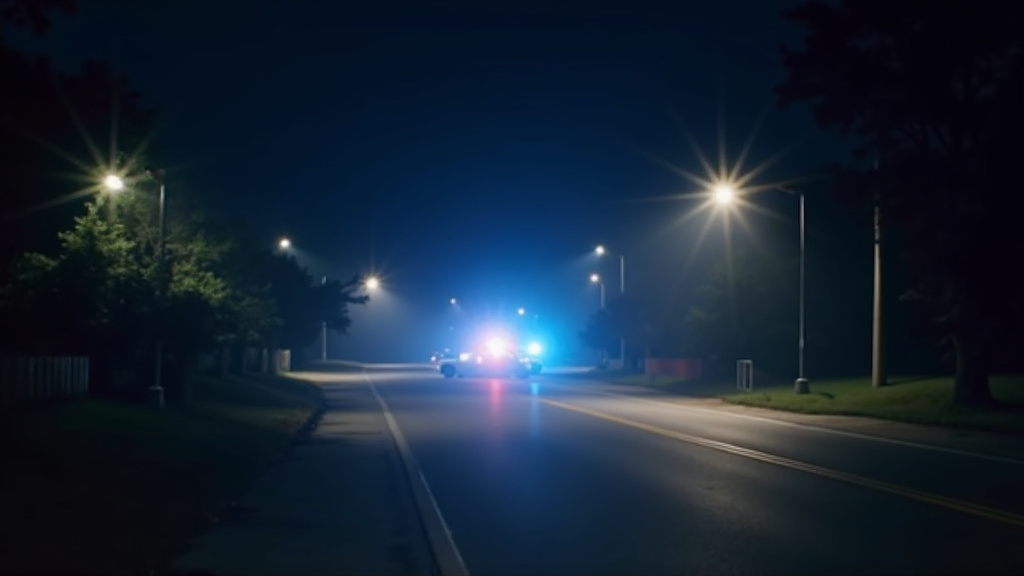
In the realm of law enforcement, ensuring public safety is paramount, particularly when addressing impaired driving. The Field Sobriety Test (FST) has emerged as a critical tool in this pursuit, offering a standardized method to gauge an individual’s sobriety during traffic stops. However, the current system isn’t without its challenges—subjectivity, variability in training, and interpretation can lead to inconsistent results. This article delves into the intricacies of FSTs, exploring their effectiveness, potential biases, and the urgent need for refined protocols and consistent application to enhance accuracy and fairness in drunk driving enforcement.
Understanding Field Sobriety Test Protocols
The Field Sobriety Test (FST) is a crucial component of DUI (Driving Under the Influence) investigations in California. Understanding the protocols behind these tests is essential for anyone facing DUI charges. The FST typically involves a series of physical and mental exercises designed to assess an individual’s coordination, balance, and cognitive abilities. One of the most well-known tests is the Walk and Turn, where the suspect must walk a straight line heel-to-toe while maintaining a set posture.
In California, law enforcement officers are mandated to administer a FST if they have reasonable suspicion that a driver is under the influence. The question often arises, "How long after one drink can you drive?" The answer varies based on factors like body weight, gender, and metabolism. On average, it takes approximately 1.5 hours for alcohol to peak in the bloodstream, but this can differ significantly. A study by the National Highway Traffic Safety Administration (NHTSA) found that even a single drink could impair judgment and coordination, highlighting the importance of FSTs in identifying impairment.
While the primary purpose of an FST is to determine sobriety, the results can be complex. Failing a test, even if you believe you are sober, can be problematic. In California, refusing to take a FST is considered a crime, and consequences may include license suspension and potential jail time. However, not all outcomes are definitive. For example, factors like local weather conditions, road surfaces, and the officer’s interpretation can influence test results. Therefore, it’s crucial to understand your rights, consult with a legal expert, and explore alternatives to FSTs, such as blood or breath tests, which are considered more objective measures of impairment.
Administration & Common Field Sobriety Tests
The administration of Field Sobriety Tests (FSTs) plays a pivotal role in DUI investigations across California, particularly in Los Angeles. These tests are designed to assess an individual’s impairment level by evaluating their physical and cognitive abilities. Common FSTs include the Walk-and-Turn (WAT), One-Leg Stand (OLS), and Horizontal Gaze Nystagmus (HGN). The WAT requires individuals to walk a straight line, while maintaining proper form, for 10 steps, then turn around and repeat in the opposite direction. The OLS involves balancing on one leg while raising the other foot and counting aloud for 30 seconds. HGN tests eye movements, looking at a fixed object and following with the eyes as the examiner moves a pen or finger side to side.
While law enforcement officers are authorized to administer FSTs in California, understanding your rights is crucial. In Los Angeles, you have the right to refuse chemical testing, including breathalyzer and blood tests, but refusing an FST may impact your case. The 3-hour rule dictates that if a police officer has probable cause to arrest you for DUI, they can require you to take one or more FSTs within three hours of driving. Failure to comply may result in penalties. It’s also important to note that the number of clues needed to fail varies for each test; typically, two out of six indications in the WAT, and three out of four in the OLS can lead to a failure.
Choosing a reliable FST provider is essential in Los Angeles, given the city’s dense traffic and high DUI rates. Reputable providers offer specialized training and equipment, ensuring accurate results. The cost of these tests varies, with factors like location and provider influencing prices. Alternatives to traditional FSTs include portable breathalyzers and blood testing, which can be less invasive but may not always be admissible in court. Local factors, such as weather conditions and road congestion, can impact test administration, emphasizing the need for qualified professionals.
| Factor | What to know |
|---|---|
| Horizontal Gaze Nystagmus | Officer tracks eye movement following a moving object |
| 3-hour rule | FSTs required within 3 hours of driving if probable cause exists |
| Refusing FST | Considered a crime in California; may cause license suspension, jail time |
| Test cost | Single FST provider test ranges from $200 to $500 |
Interpreting Results & Legal Implications
Interpreting results of a Field Sobriety Test (FST) is a critical aspect of DUI cases in California. While these tests are designed to assess impairment, understanding what constitutes passing or failing can be complex. The Walk and Turn test, for instance, involves walking a straight line while counting aloud, and turning on command. An officer observes the suspect’s balance, coordination, and ability to follow instructions. Failure to maintain balanced, take an incorrect step, or fail to complete the test within a set time—typically 30 seconds per footstep—can lead to a failed result.
The legal implications of failing an FST are significant. In California, a failure can strengthen the prosecution’s case and increase potential penalties. If you’re suspected of DUI and asked to take an FST, it’s crucial to consider your options. You have the right to refuse, but doing so may impact your defense. Refusal can lead to adverse inferences in court, though a licensed attorney can help navigate these complexities.
Choosing a reputable FST provider is essential. In Los Angeles, where traffic and DUI cases are prevalent, there are numerous providers. Ensure the provider is certified by relevant authorities and has experience handling tests for legal proceedings. Cost varies; a single test can range from $200 to $500, depending on provider and location. Alternatives exist, including blood or breath tests, which are admissible in court but may have different procedures and implications. Local factors like weather and road conditions can also subtly affect FST results, highlighting the importance of qualified professionals.
The 3-hour rule in California specifies that a person’s blood alcohol content (BAC) must not exceed .08% within three hours of driving. While this doesn’t directly correlate to how many drinks one can handle and still drive legally, it sets a clear limit for FST purposes. Data shows that even with just 1-2 drinks, BAC levels can rise above legal limits in as little as an hour, depending on factors like gender, weight, and metabolism. Therefore, it’s crucial to avoid alcohol entirely before driving or be prepared to face the consequences, including potential jail time for first-time offenders.
Field Sobriety Test in Los Angeles: Where to Start
Looking for field sobriety test in Los Angeles, CA? a DUI lawyer in Los Angeles serves the local area and can answer questions specific to Los Angeles.