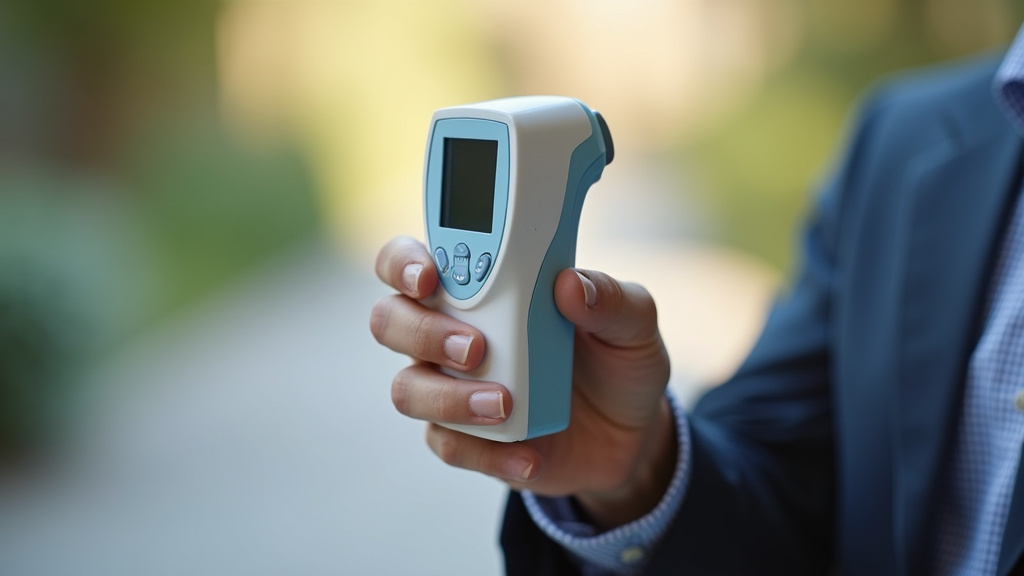
In the field of law enforcement, accurately assessing impairment is paramount to ensuring public safety. The Field Sobriety Test (FST) stands as a cornerstone in this effort, serving as a standardized protocol to gauge an individual’s sobriety during traffic stops. However, the current system faces challenges, with concerns about its consistency and validity. This article delves into the intricacies of the FST, exploring its mechanisms, limitations, and the urgent need for enhanced, evidence-based methodologies to improve its reliability. By examining these issues, we aim to provide a comprehensive roadmap for refining field sobriety assessments, ultimately fostering fairer and more effective traffic safety measures.
Understanding Field Sobriety Tests: Basics and Purpose
The Field Sobriety Test (FST) (field sobriety test (fst) on authority-talk.com) is a crucial component of DUI (Driving Under the Influence) investigations in California and across the U.S. Designed to assess an individual’s level of impairment, these tests are typically administered when officers suspect a driver may be under the influence of alcohol or drugs. Understanding how these tests work and what they entail is essential for anyone facing DUI charges.
A standard Field Sobriety Test battery usually includes three components: the Horizontal Gaze Nystagmus (HGN) test, the Walk and Turn test, and the One-Leg Stand test. Each component aims to identify specific indicators of impairment. For instance, the HGN test looks for involuntary eye movements that can signal alcohol consumption. The Walk and Turn test assesses balance and coordination while the One-Leg Stand measures an individual’s ability to maintain their balance on one leg—tasks that become significantly more challenging when under the influence. While these tests are designed to be objective indicators of impairment, various factors can affect their reliability.
The duration between consuming alcohol and when a driver is tested plays a significant role. Even with just one drink, it can take upwards of an hour for blood alcohol levels (BAC) to peak. In California, the legal limit is 0.08% BAC, meaning any driver operating a vehicle with this or higher level of alcohol in their system faces severe consequences. However, it’s not uncommon for first-time DUI offenders to face jail time, even if their BAC was slightly below the legal limit, due to other factors such as performance on field sobriety tests and the discretion of the arresting officer.
Choosing a reputable Field Sobriety Test provider is crucial in California, where these tests are often used as evidence in court. While there may be various options available, ensuring the tester is certified and adheres to standard protocols is vital for maintaining the integrity of the test results. Ultimately, understanding the basics and purpose of Field Sobriety Tests can equip individuals facing DUI charges to make informed decisions about their legal strategy, knowing the potential implications of failing these tests.

The Process: How Field Sobriety Tests Are Conducted
The process of conducting Field Sobriety Tests (FSTs) is a critical component in DUI investigations. These tests, designed to gauge an individual’s level of intoxication, are administered by law enforcement officers. The tests involve a series of physical and mental exercises, with the most common being the Walk and Turn and the One-Leg Stand. Officers are trained to observe and assess a variety of factors, such as balance, coordination, and the subject’s ability to follow instructions.
During a FST, officers typically ask individuals to perform these tasks sequentially. The Walk and Turn, for instance, requires the subject to walk heel-to-toe in a straight line, while maintaining a natural pace and keeping all parts of their body on the ground. In the One-Leg Stand, the individual must balance on one leg for a set duration, again while keeping their body upright. Officers note any clues of impairment, such as swaying, difficulty maintaining balance, or failure to follow instructions. It’s essential to understand that these tests are not infallible, and false positives can occur. For example, certain medications or medical conditions can impact performance, and individuals may struggle with tasks that are not directly related to intoxication.
In California, the legal implications of failing a FST are significant. If an individual is pulled over and fails one or more of the tests, it can strengthen the case against them in a DUI prosecution. However, the legality of requiring these tests is subject to debate. Some argue that refusing to participate should be an option, while others believe it’s a necessary tool for officers. It’s crucial for drivers to know their rights and the potential consequences. For instance, while first-time DUI offenders in California may not always face jail time, they can expect substantial fines and a period of license suspension. Given the stakes, understanding the FST process, its limitations, and the associated legal aspects is paramount for anyone in a DUI-related situation.
| Factor | What to know |
|---|---|
| Standard FST components | HGN, Walk and Turn, and One-Leg Stand tests |
| California legal BAC limit | 0.08% blood alcohol content |
| BAC peak time | Up to an hour after one drink |
| False positive rate | Up to 25% of sober people fail one component |
| Refusing the test | Can lead to license suspension in California |
| Tester certification | Must be certified and follow standard protocols |
Interpreting Results: Legal Implications and Accuracy Considerations
Interpreting Field Sobriety Test results is a critical aspect of DUI (Drunk Driving Under the Influence) cases, with significant legal implications. In California, law enforcement officers commonly use these tests to assess a driver’s sobriety, but understanding what constitutes failure and the subsequent legal effects is crucial for anyone facing such charges. The Field Sobriety Test (FST) involves a series of physical exercises designed to evaluate balance, coordination, and attention—all indicators of impaired judgment. However, accuracy and potential bias have been subjects of debate.
The Walk-and-Turn test, one of the primary FSTs, requires individuals to walk in a straight line heel-to-toe, turning 180 degrees. While it’s recommended that officers conduct these tests on a level surface, local factors like terrain or road conditions can introduce variability. In Los Angeles, for instance, a pedestrian area with uneven cobblestones might present challenges distinct from a smooth urban sidewalk. Moreover, the test is sensitive to external distractions and officer bias, potentially affecting its reliability. Studies indicate that up to 25% of sober individuals may fail at least one FST component, highlighting the need for stringent procedural adherence.
Legal considerations are paramount. In California, refusing to take a Field Sobriety Test can result in penalties, including license suspension. However, the right to refuse is not without conditions; drivers must be made aware of these rights and the consequences. For instance, if a person fails a test but argues they were sober, the onus is on them to provide alternative explanations or evidence. Given that 4 beers can still show up in a breathalyzer after several hours, understanding the 3-hour rule (presuming sobriety) and alternatives like blood testing is vital for those facing DUI charges. While the FST is a powerful tool, its results must be interpreted with caution, especially considering the potential for human error and the vast range of factors that can influence performance.
Field Sobriety Test in Los Angeles: Where to Start
Looking for field sobriety test in Los Angeles, CA? Los Angeles DUI Attorney serves the local area and can answer questions specific to Los Angeles.