
In the realm of law enforcement, ensuring public safety and accurately assessing impairment levels during traffic stops is paramount. The Field Sobriety Test (FST) serves as a critical tool in this process, playing a pivotal role in determining a driver’s sobriety. However, the effectiveness and reliability of these tests are often debated, leading to questions about their validity and potential for error. This article delves into the intricacies of Field Sobriety Tests, exploring their mechanisms, limitations, and the evolving strategies to enhance their accuracy. By providing a comprehensive overview, we aim to equip readers with a deeper understanding of this essential tool in the pursuit of justice.
Understanding Field Sobriety Test Protocols
The Field Sobriety Test (FST) is a crucial component in DUI (Driving Under the Influence) investigations. Understanding the protocols behind these tests is essential for both law enforcement and individuals facing DUI charges. The FST is designed to assess a driver’s coordination, balance, and mental state, aiming to determine if alcohol or drugs are impairing their abilities. The most common FST protocols include the One-Leg Stand, Walk and Turn, and Horizontal Gaze Nystagmus (HGN) tests.
During a typical FST, officers will instruct the driver to perform a series of tasks while observing for signs of impairment. For instance, the Walk and Turn test involves walking a straight line heel-to-toe and then turning back in the opposite direction. Officers look for cues like unsteady balance, use of arms for balance, and not walking in a straight line. The One-Leg Stand test requires the driver to raise one leg off the ground and maintain balance for a set period. Any swaying, hopping, or putting the raised leg down can be considered failing the test. HGN testing involves tracking an officer’s eye as they focus on a fixed object. Excessive eye movement or rapid or jerky movements can indicate impairment due to alcohol or certain drugs.
It’s important to note that while these tests are powerful tools, they are not infallible. Factors like fatigue, certain medications, or even environmental conditions can influence test results. In California, law enforcement is required to follow specific protocols, but there are also legal protections for drivers. For instance, a driver can legally refuse to perform field sobriety tests, but refusing may lead to penalties such as license suspension. It’s advisable to consult with a legal expert to understand one’s rights and the potential implications of failing or passing these tests, especially given that 20-30% of DUI arrests involve drivers with blood alcohol levels below the legal limit, questioning the reliability of FSTs. Alternatives to FSTs, such as breathalyzer tests, can also be employed, and local factors, like weather or road conditions, can impact test accuracy.

How to Perform Common Field Sobriety Tests
Performing Field Sobriety Tests (FSTs) accurately is a critical aspect of DUI enforcement and prosecution. Common FSTs include the Walk and Turn, One-Leg Stand, and Horizontal Gaze Nostril (HGN) tests. The Walk and Turn test, for instance, involves walking in a straight line while the officer counts steps and watches for signs of impairment, such as losing balance or not maintaining a normal gait. The One-Leg Stand test requires the individual to balance on one leg for a set period, also with an officer observing for any instability or swaying. The HGN test, as the name suggests, assesses the suspect’s ability to maintain their gaze on a fixed point, with any significant deviation indicating potential impairment due to alcohol.
Understanding the specific components of each test and the criteria for failure is crucial. For the Walk and Turn, failing typically involves stepping off the line, not touching the line with each step, or not keeping all feet on the ground. In the One-Leg Stand, failure can be indicated by hyperextending or raising the raised leg, not keeping the leg straight, or putting weight on both feet. For HGN, failure occurs when the suspect cannot keep their eyes on a fixed point, or their eyes deviate or jump during the test. It’s important to note that these tests should be conducted fairly and under controlled conditions to ensure their validity.
The legal implications of failing an FST vary by jurisdiction, but in California, a failed test can significantly strengthen the case against a DUI suspect. However, individuals have rights; they can legally refuse to perform the tests, though consequences may include a license suspension. The accuracy of FSTs is also a topic of ongoing debate, with studies suggesting that factors like temperature, fatigue, and even the officer’s bias can influence results. Therefore, it’s essential to have a thorough understanding of your rights and the potential limitations of these tests, and to consider seeking legal counsel to navigate the complexities of DUI enforcement in California.
| Factor | What to know |
|---|---|
| Common FST types | Walk and Turn, One-Leg Stand, and Horizontal Gaze Nystagmus (HGN) tests |
| Right to refuse | Drivers can refuse FSTs, but refusal may lead to license suspension |
| Sober drivers failing | Up to 25% of sober drivers may fail the Walk and Turn test |
| Low-BAC arrests | 20-30% of DUI arrests involve drivers below the legal BAC limit |
| 3-hour rule | BAC at or above 0.08% within three hours of driving is presumed illegal |
| Alternative tests | Breathalyzer and blood tests seen as more objective alternatives to FSTs |
Legal Implications and Challenges of Field Sobriety Tests
Field Sobriety Tests (FSTs) play a significant role in DUI investigations, but they are not without legal implications and challenges. One of the primary concerns is the potential for bias and error, as these tests can be subjective and depend heavily on officer interpretation. For instance, what constitutes "unsteady balance" or "inappropriate nystagmus" can vary between officers, leading to inconsistent results. This raises questions about their reliability as evidence in court.
The legal landscape surrounding FSTs is complex, especially regarding the rights of drivers. In California, for example, you have the right to refuse certain tests, but refusing may result in penalties such as license suspension. The key question then becomes: how accurate are these tests? Studies show that while FSTs can be effective, they are not foolproof. For instance, a recent report indicated that up to 25% of sober drivers might fail the Walk and Turn test under certain conditions. This highlights the importance of understanding the test protocols and your rights.
Consider the "3-hour rule" in California: if you’re pulled over and tested within three hours of driving, any blood alcohol content (BAC) at or above 0.08% is presumed illegal. However, what if you’ve had only one drink? The legal implications change dramatically, and the validity of a Field Sobriety Test becomes even more crucial. It’s worth noting that while a failed test might indicate impairment, it doesn’t automatically prove guilt. Alternatives to FSTs exist, such as breathalyzer tests or blood tests, which are generally considered more objective. In Los Angeles, where traffic congestion and diverse driving conditions exist, local factors can affect test outcomes. Therefore, understanding your rights, the test procedures, and available alternatives is essential for anyone facing DUI charges.
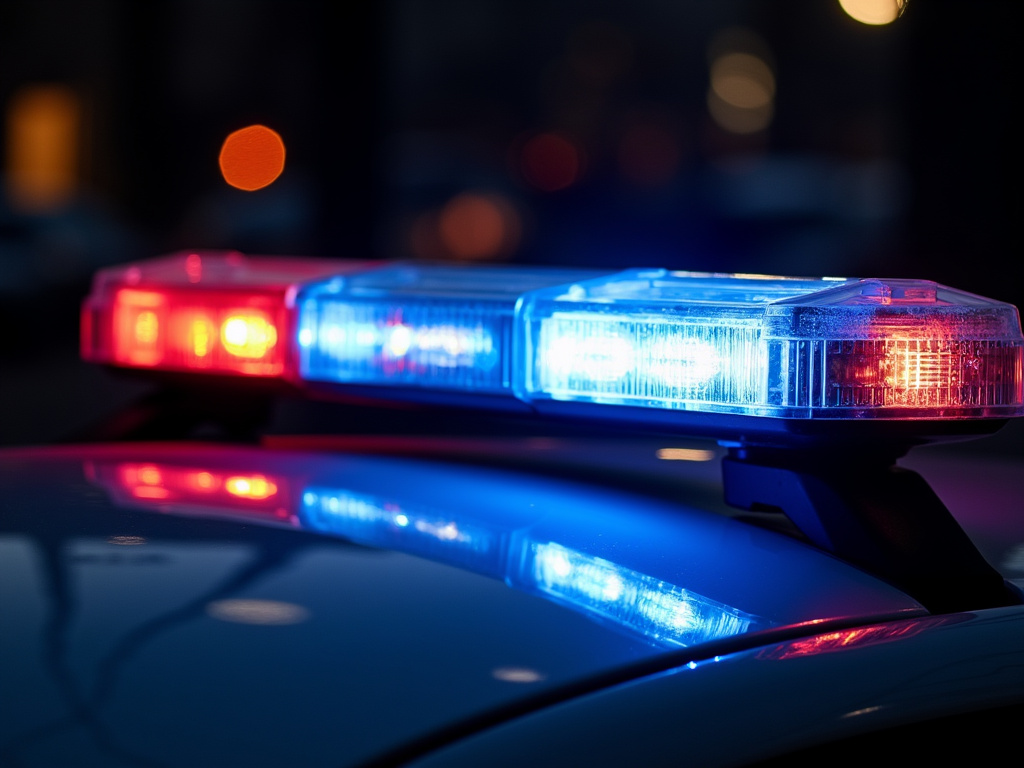
Field Sobriety Test in Los Angeles: Where to Start
Looking for field sobriety test in Los Angeles, CA? a DUI lawyer in Los Angeles serves the local area and can answer questions specific to Los Angeles.